

When most people think about Wagyu, they think of Japan, Australia, and the United States. But the Brazilian Wagyu Industry is quietly growing into one of the most fascinating and potentially important Wagyu markets in the world.
In this episode of The Meat Dudes, we sat down with Dr. Ricardo Zanella, one of Brazil’s leading Wagyu researchers and a board member of the Brazilian Wagyu Breeders Association, to learn how Brazil is building its Wagyu program—and why the rest of the world should be paying attention.
How Wagyu First Arrived in Brazil
Brazil’s Wagyu story began in the early 2000s when genetics from American Wagyu pioneer Jerry Reeves of Bar R Cattle Company helped jumpstart early Brazilian breeding programs.
From there, breeders began experimenting with crosses between Wagyu and local cattle breeds before eventually building full blood and purebred herds.
Today, Brazil has approximately 20,000 head of Wagyu cattle, making it a tiny percentage of the country’s overall cattle population—but one with major upside.
Why the Brazilian Wagyu Industry Is Different
Unlike many emerging Wagyu markets, Brazil has built serious infrastructure around traceability and breed verification.
According to Dr. Zanella:
- Every full blood Wagyu animal must be DNA verified
- Parentage is tracked digitally
- Meat inspectors evaluate carcasses at slaughter
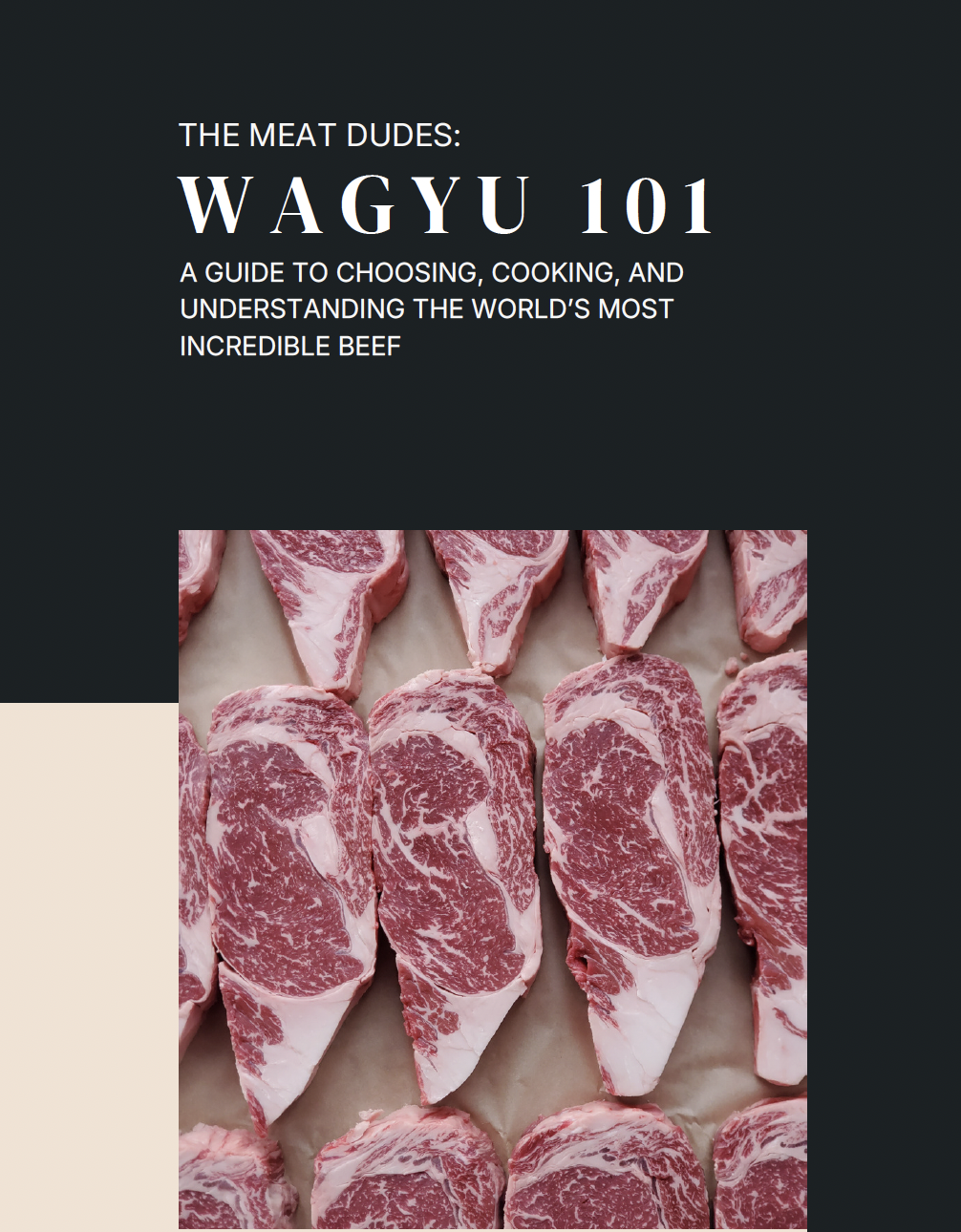
- Marbling is photographed and scored using imaging technology
This gives Brazilian Wagyu producers a level of transparency many industries are still working toward.
How Brazil Raises Wagyu Differently
Brazil presents a unique challenge for Wagyu producers:
Most cattle are grass-raised for much of their lives due to the country’s climate and massive grazing land. That means Brazilian Wagyu often develops differently than American or Australian Wagyu.
Dr. Zanella explained that Brazilian Wagyu can show:
- Different flavor profiles due to terroir
- Distinct grass influence in the fat
- Slightly different marbling refinement than grain-heavy systems
This is one reason the Brazilian Wagyu Industry could carve out its own unique place in the global market.
Why Brazil Could Become a Major Wagyu Exporter
Brazil is already one of the world’s largest beef producers.
If its Wagyu industry continues to mature, Dr. Zanella believes Brazil could become a major Wagyu exporter to:
- Europe
- Japan
- Select international premium markets
The infrastructure, land, cattle knowledge, and scale are already there.
Now it’s about refining the product and continuing to educate producers.
The Biggest Challenge Facing Brazilian Wagyu
Like many emerging Wagyu markets, Brazil’s biggest hurdle is education.
Dr. Zanella emphasized that many producers underestimate how specific Wagyu management must be:
- Proper maternal nutrition
- Correct finishing programs
- Appropriate slaughter weights
- Genetics selection
- Marbling-focused feeding strategies
Wagyu is not just “another breed.” It requires different systems and different thinking.
Final Thoughts on the Future of Brazilian Wagyu
The global Wagyu conversation is getting bigger—and Brazil deserves to be part of it.
The Brazilian Wagyu Industry is still young, but with advanced traceability, strong genetics, growing consumer demand, and passionate researchers like Dr. Zanella leading the charge, Brazil may soon become one of the most important Wagyu-producing nations in the world.
If you care about the future of Wagyu, keep your eye on Brazil.