

Everyone’s heard the hype about Wagyu — the marbling, the melt-in-your-mouth texture, the “once-you-try-it-you’ll-never-go-back” flavor. But most people never hear why Wagyu is actually different from other beef.
This isn’t marketing. It isn’t a trend.
Wagyu is built differently — literally — and that’s what makes it one of the most unique beef breeds on the planet. Let’s break down the science behind the sizzle.
1. It Starts With Genetics: The Wagyu “Superpower”
At the core of everything that makes Wagyu special is genetics.
Wagyu cattle are genetically predisposed to store fat inside the muscle, known as intramuscular fat (IMF).
Conventional beef mostly carries fat on the outside of the muscle — think the fat cap on a New York strip. Wagyu has that too, but the real magic is what’s inside:
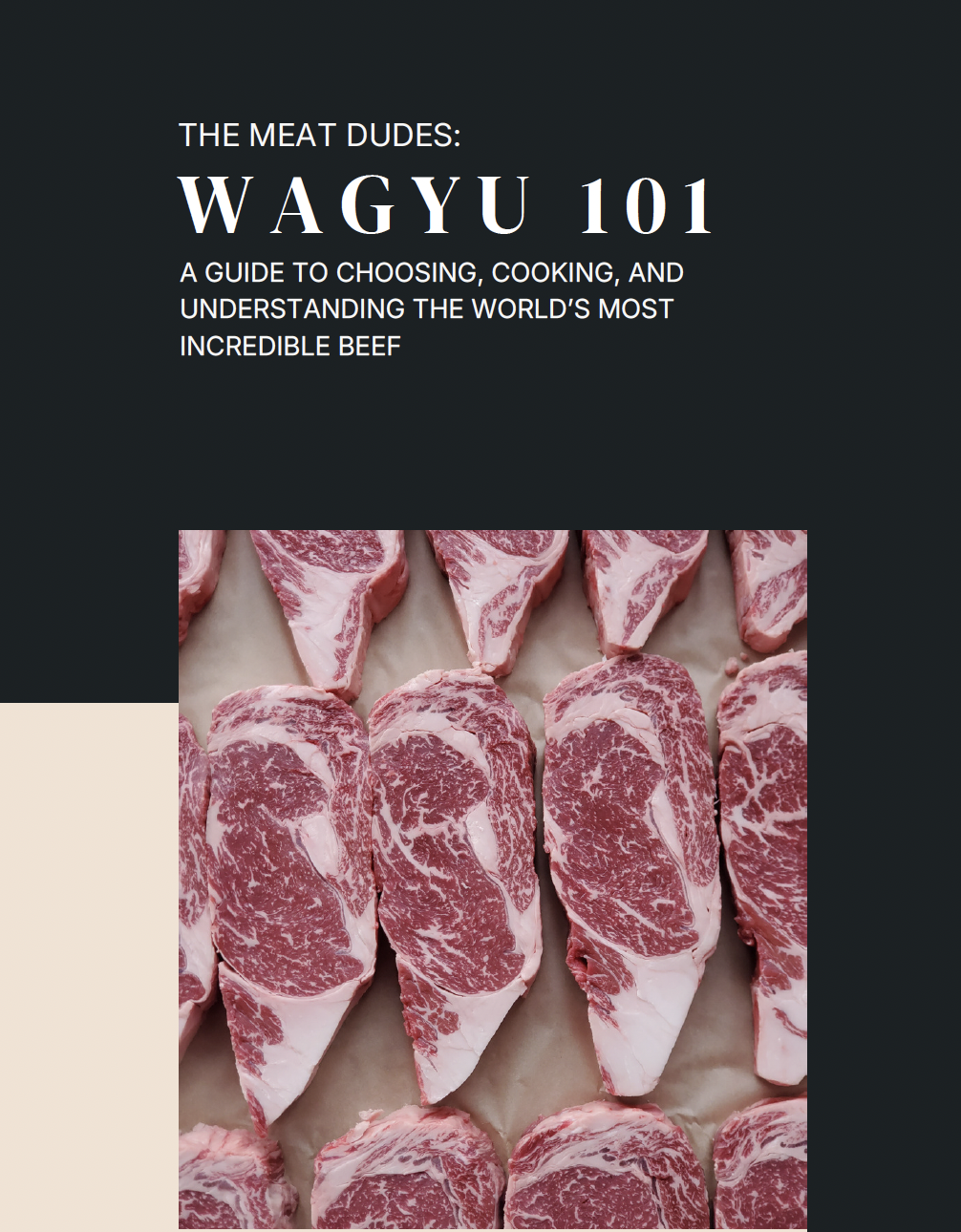
- Fine white marbling woven through the muscle
- A “spiderweb” pattern that looks almost unreal
- Fat that melts at a lower temperature than conventional beef
That internal marbling is why Wagyu cooks differently, tastes richer, and feels buttery on the palate. When you heat it, those tiny fat veins liquify and baste the meat from the inside out.
This isn’t something you can fake.
It’s biology — not branding.
2. Flavor, Texture, and Mouthfeel: Why Wagyu Tastes So Good
Once you understand the genetics, the eating experience makes total sense. Wagyu brings three major advantages over conventional beef:
Buttery Texture
Because the fat melts so easily, every bite feels soft, smooth, and tender — even in cuts that would normally be tough on a conventional animal.
Deep, Rich Flavor
Fat carries flavor. And Wagyu has more of it, spread evenly through the meat.
Expect:
- beefy richness
- umami depth
- a silky finish
Consistent Tenderness
Even muscles that get worked harder on normal cattle — like flat iron, Denver, and bavette — become incredibly tender when they’re Wagyu.
This is why chefs love cooking Wagyu. It’s forgiving, it’s luxurious, and it’s consistently delicious.
3. Terroir & Feeding: Why Wagyu from Japan, Australia & the U.S. Taste Different
Just like wine, Wagyu reflects where and how it’s raised.
Japanese A5 Wagyu
- Extremely high marbling
- Very soft, delicate texture
- Meant to be eaten in small portions
- Usually served sliced thin, seared quick
American Wagyu (F1, Purebred, Fullblood)
- Beefier, more robust flavor
- Larger steaks tailored to American eating style
- Still buttery, but less overwhelming than A5
- Great for grilling, pan searing, and full steaks
Australian Wagyu
- Often grass-raised, grain-finished
- Slightly “cleaner,” more mineral flavor
- Unique regional terroir
All of these Wagyu styles share the same core genetics — the difference comes from feed, climate, and how the beef is finished.
4. Health Misconceptions: Why Wagyu Fat Isn’t “Bad Fat”
This is the part that surprises people the most.
Yes — Wagyu looks fatty.
But that fat is mostly monounsaturated fat (MUFA), the same type of fat found in:
- salmon
- olive oil
- avocado
Wagyu also contains:
- omega-3 fatty acids (heart-healthy)
- omega-6 fatty acids (important for brain and cell function)
- omega-9 fatty acids (supports cholesterol balance)
This type of fat melts at a lower temperature and digests more easily than saturated fat in conventional beef.
Is it health food?
Not exactly — it’s still beef. But in moderation, Wagyu fat is considered a healthier fat profile than most other red meat.
Why People Love Wagyu (And Why You Should Try It)
Once you combine genetics, marbling, flavor, texture, and healthier fats, it’s obvious why people go crazy for Wagyu.
You get:
- A richer eating experience
- More tenderness across every cut
- More forgiving cooking
- More flavor at smaller portions
It’s not hype.
It’s not a “fancy restaurant thing.”
It’s simply beef that’s built differently from the inside out.
Whether you’re trying an A5 sliver, a fullblood ribeye, or a simple F1 cross skirt steak… Wagyu is one of the most unique eating experiences in the beef world.
Learn more from The Meat Dudes Youtube Channel