
Peeler Farms Wagyu is the result of six generations of Texas cattle ranching, a family history that stretches back to the legendary Chisholm Trail, and a commitment to producing exceptional American Wagyu beef. On this episode of The Meat Dudes Podcast, we sit down with Jason Peeler, Annabeth Peeler, and Wagyu genetics specialist Will Tawater to talk about their ranching history, Japanese Wagyu genetics, and what it really takes to raise great beef.
And after cooking and tasting their Wagyu ourselves, we had plenty of questions.
From the Chisholm Trail to American Wagyu
The Peeler family’s cattle history goes all the way back to the late 1800s, when Jason’s great-great-grandfather, Tom Peeler, arrived in Texas from Mississippi and eventually drove Longhorn cattle north along the historic Chisholm Trail.
Over the generations, the family raised Longhorns, Herefords, and Brahman crosses before developing a large cattle operation in South Texas.
But around 2008, something changed.
Jason tasted Wagyu at a restaurant in San Antonio, and it completely changed how he thought about beef.
He’d spent his life raising cattle, but this was a different eating experience. After sharing Wagyu steaks with his family and getting the same enthusiastic reaction, he decided to introduce Akaushi (Japanese Red Wagyu) genetics into their cattle program.
That decision helped shape the future of Peeler Farms.
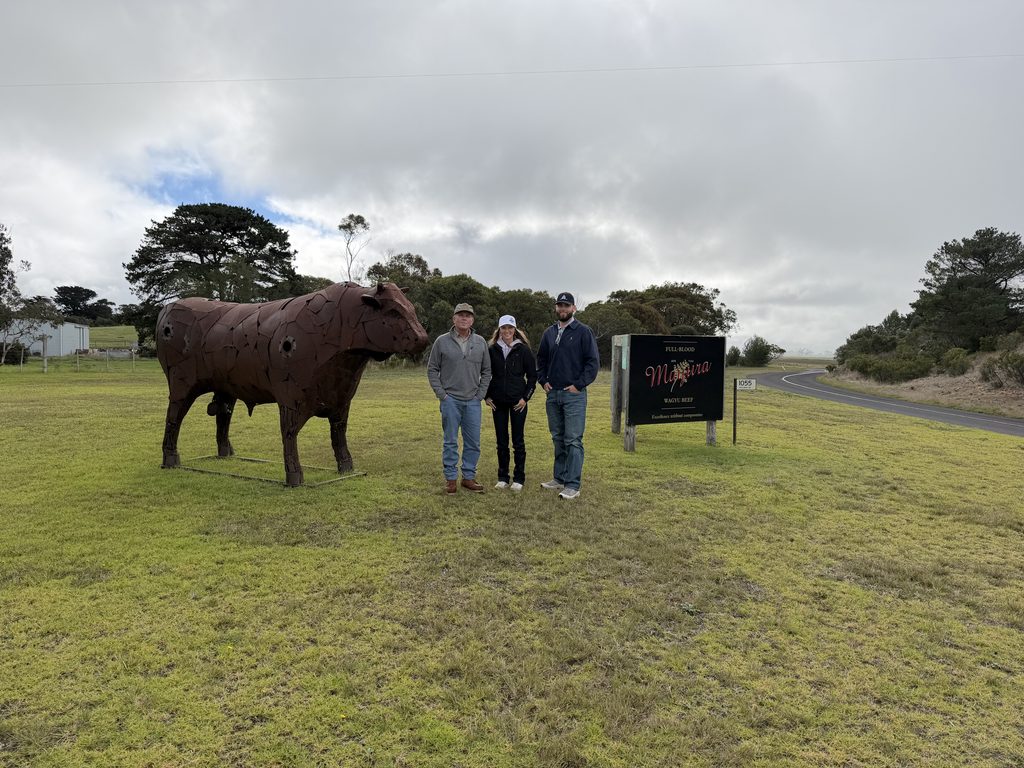
Japanese Red vs. Japanese Black Wagyu
One of the most interesting parts of our conversation was learning how the Peeler Farms genetics program continues to evolve.
For years, the ranch focused primarily on Akaushi cattle. More recently, they’ve introduced Japanese Black Wagyu genetics, with Will Tawater helping lead that transition.
Why?
Akaushi cattle are generally known for larger frames, strong growth characteristics, and impressive ribeye size. Japanese Black Wagyu is especially recognized for its fine, abundant marbling.
By combining these genetics, Peeler Farms is working to produce cattle that offer the best characteristics of both.
But they’re not just chasing the highest marbling scores.
They’re looking for consistent quality, efficient growth, and exceptional flavor.
And that’s something we talk about constantly.
Wagyu is a spectrum. More marbling doesn’t automatically mean better beef.
Great Wagyu Takes More Than Great Genetics
One of our favorite questions to ask ranchers is whether a higher percentage of Wagyu genetics automatically means better beef.
Will’s answer was exactly what we hoped to hear.
Genetics matter. Absolutely.
But so do nutrition, animal care, feeding programs, and every decision made throughout the animal’s life.
You can have phenomenal F1 Wagyu and disappointing Fullblood Wagyu. The percentage alone doesn’t guarantee the eating experience.
With approximately 3,000 breeding cattle, a feedyard, and their own processing facility, Peeler Farms has significant control over its beef production.
They also collect carcass data and use that information to improve their breeding program.
The goal isn’t simply to produce one incredible steak.
It’s to produce consistently incredible beef.
What Makes Peeler Farms Wagyu So Good?
After cooking and tasting beef from more than 65 American Wagyu ranches, we’ve learned that great Wagyu comes in a lot of different forms.
And Peeler Farms Wagyu delivered something we particularly appreciate: balance.
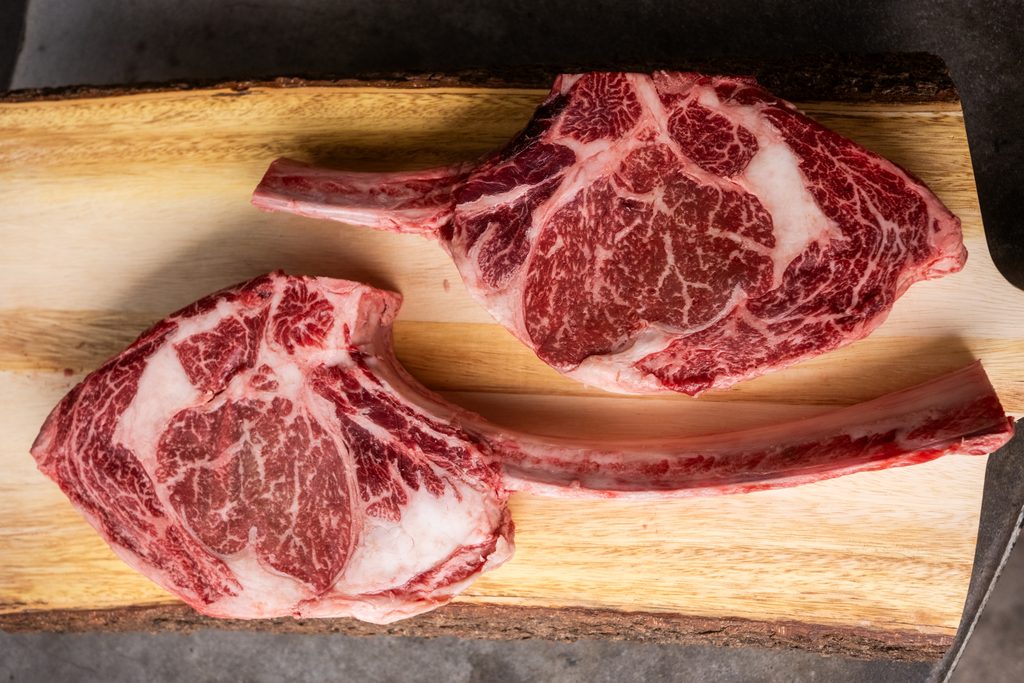
We cooked several cuts, including a tomahawk, cowboy ribeye, and beautifully marbled flat iron.
The beef was rich, buttery, and incredibly tender, but it also had a deep, satisfying beef flavor.
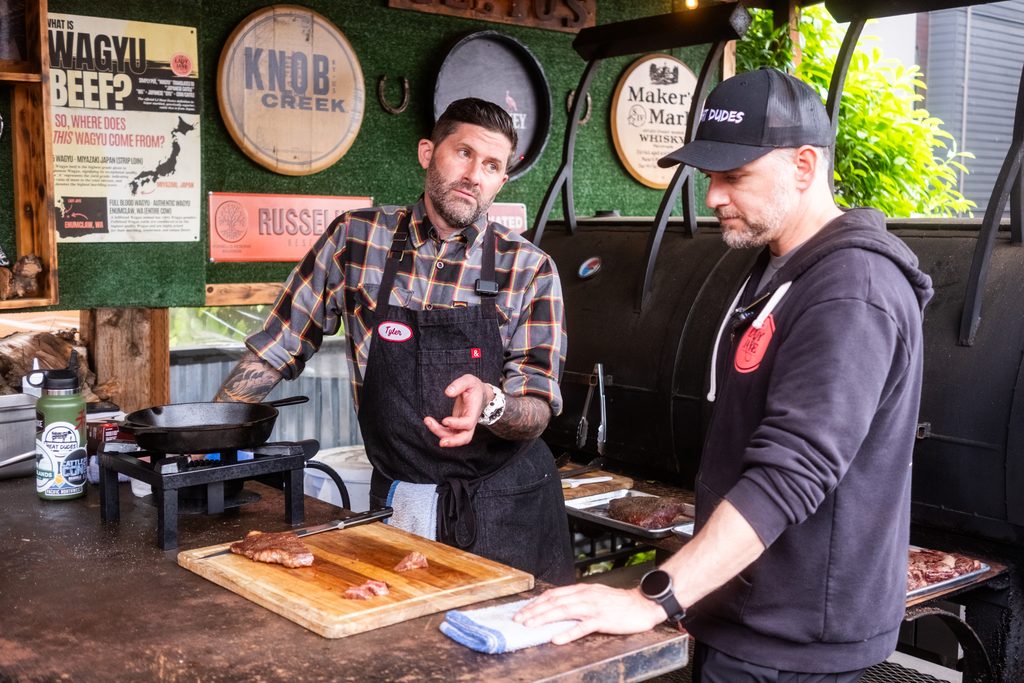
Chef Tyler even started identifying different buttery flavor notes during our tasting.
And here’s the important part.
Despite the impressive marbling, the beef wasn’t overwhelmingly rich.
You could enjoy a beautiful steak without feeling like you’d eaten an entire stick of butter.
That’s one of the biggest misconceptions about American Wagyu.
People see all that marbling and assume it’s going to be too fatty or too rich.
But so much of the American Wagyu we’re tasting delivers an incredible balance of beef flavor, tenderness, and richness.
Sometimes it simply tastes like the best beef you’ve ever had.
Grass-Fed Wagyu? Yes, That’s a Thing.
Another interesting part of our conversation was hearing Annabeth discuss the growing demand for grass-fed, grass-finished Wagyu, especially around Austin.
Many people associate grass-finished beef with leaner steaks and less marbling.
But Wagyu genetics can produce a very different result.
Annabeth explained that customers are often shocked by the marbling in their grass-fed Wagyu.
Peeler Farms also produces grain-finished beef, giving consumers different options depending on their preferences.
And that’s what makes American Wagyu so exciting.
Different genetics, feeding programs, and ranching environments create different flavors and eating experiences.
There’s no single type of Wagyu that everyone has to prefer.
Three Underrated Wagyu Cuts You Need to Try
Of course, we couldn’t have a conversation with three people who know this much about beef without asking about their favorite underrated steaks.
Their answers were fantastic.
Annabeth’s Pick: Flat Iron
Annabeth loves the flat iron for its tenderness, beautiful marbling, and rich flavor.
And her creative cooking method?
An air fryer.
Yes, seriously.
She explained that it’s an incredibly easy and consistent way to cook this already tender cut. But if there is live fire around, she’s taking it.
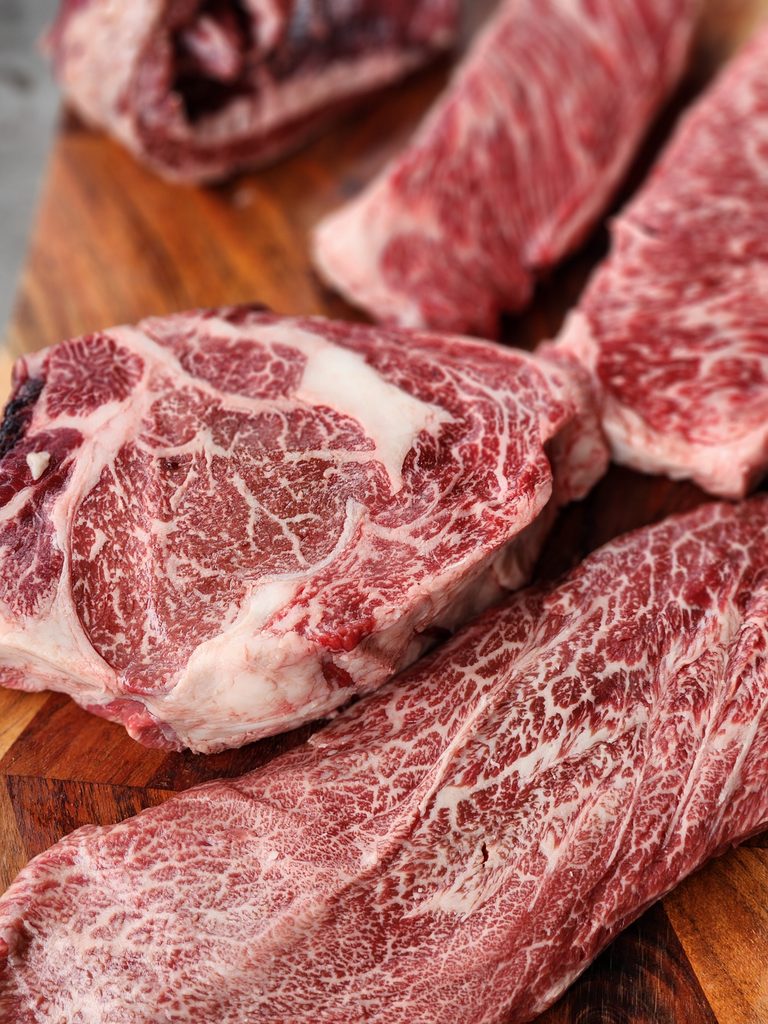
After seeing the marbling on the Peeler Farms flat iron we cooked, we completely understand why she’s such a fan.
Jason’s Pick: Flank Steak
Jason made a strong case for Wagyu flank steak, especially for fajitas.
Conventional flank can be relatively lean, but Wagyu flank often has beautiful marbling throughout.
That extra richness makes it an incredibly versatile and flavorful cut.
And it’s generally much more affordable than a ribeye.
Will’s Pick: Picanha
Will went straight for the picanha, also known as the top sirloin cap.
His preferred cooking method is reverse searing.
With its rich beef flavor and beautiful fat cap, picanha is one of those cuts that deserves a lot more attention.
The lesson?
You don’t need to buy the most expensive Wagyu cut to have an incredible steak.
Making American Wagyu More Approachable
One of the biggest challenges facing American Wagyu isn’t producing great beef.
It’s helping people understand what they’re buying.
Annabeth talked about the importance of educating consumers about American Wagyu and the ranching families raising these cattle right here in the United States.
Jason made another excellent point.
You don’t necessarily need to eat as much Wagyu to have a satisfying meal.
A beautiful Wagyu strip steak shared between two people can deliver an incredible experience without costing more per person than two conventional steaks.
And when you start exploring cuts like flat iron, flank, picanha, and top sirloin, Wagyu becomes even more approachable.
We want more people to understand that American Wagyu isn’t just about expensive ribeyes and extreme marbling.
It’s about better beef, incredible flavor, and finding the type of Wagyu you enjoy most.
The Future of Peeler Farms and American Wagyu
Toward the end of our conversation, we asked Annabeth what she hopes the seventh generation of Peeler Farms will look like.
Her answer was about continuing the family’s traditions, maintaining their commitment to animal care and quality, and growing the business while keeping the family involved.
That’s what makes ranches like this so special.
Behind every great steak are people making thousands of decisions long before that beef ever reaches your plate.
And when those decisions are made with experience, care, and a genuine commitment to quality, you can taste the difference.
Peeler Farms Wagyu is a great example of how American ranching traditions and modern Wagyu genetics can come together to produce exceptional beef.
And it’s exactly why we’re building the Meat Dudes Approved Wagyu Map, launching in December.
We want to introduce consumers to the ranchers raising incredible Wagyu across the United States, share their stories, and help people discover the beef that fits their tastes.
Watch the Full Peeler Farms Podcast
Join us for a deep dive into six generations of Texas ranching, Japanese Red and Black Wagyu genetics, grass-fed versus grain-finished beef, underrated steak cuts, and the future of American Wagyu.
Great beef. Real ranchers. Real conversations.