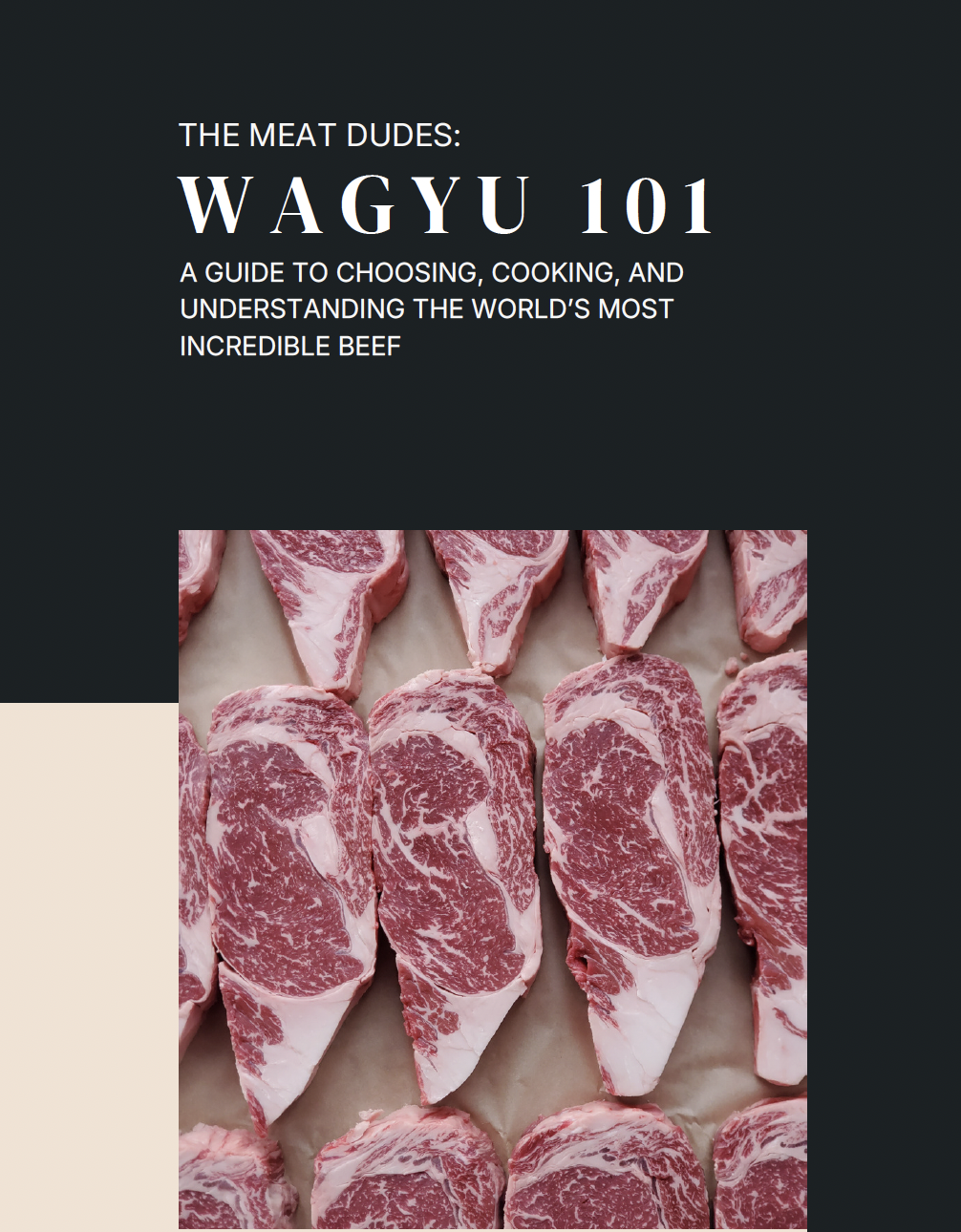

Grass-fed Wagyu gets people fired up. Some folks hear “grass-fed” and instantly picture yellow fat, old cows, and a chewy steak that tastes like a lawnmower bag. Others hear it and think it’s automatically healthier and better. The truth is simpler and way more interesting: grass-fed Wagyu is a specific way of raising cattle, and what you end up tasting depends on genetics, region, and how you cook it.
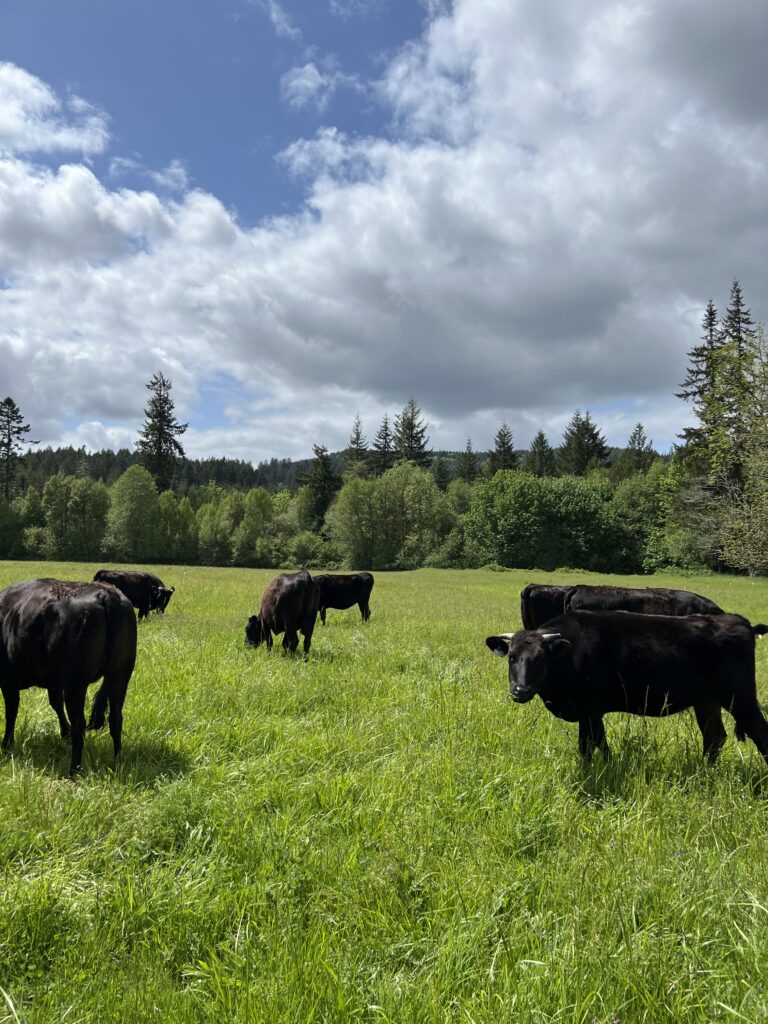
We sat down with Andrew Shirley of River Valley Wagyu in Olympia, Washington to talk through the confusion. He raises true grass-fed Wagyu—meaning no grain, ever. Just grasses, hay, and forage year-round. And when you actually see his beef, it challenges the stereotypes immediately.
First: grass-fed does not automatically mean bright yellow fat
Yellow fat can happen, but it’s not a guaranteed grass-fed “stamp.” Fat color is influenced by multiple factors: what the cattle are eating, how long they’re eating it, the age of the animal, and even the breed itself. The yellow tint many people associate with grass-fed beef is tied to compounds from fresh green forage that can store in fat over time.
Here’s the kicker for the Pacific Northwest: cattle in Washington don’t have fresh, green pasture 12 months a year the way they might in places like Florida or parts of the Southwest. When the diet shifts seasonally to hay or stored forages, those compounds can drop dramatically compared to animals grazing fresh pasture year-round. That’s why you can have grass-fed Wagyu that looks more like a clean, creamy “eggshell” fat than a neon yellow.
And Andrew’s experience lines up with that. His fat color is consistently more creamy than yellow, and he sees the same thing in other grass-fed Wagyu programs in the region.
The real secret sauce: genetics plus forage
If you want marbling without grain, you have to be serious about genetics. Andrew says it straight: in grass-fed systems, you don’t get to “backstop” marbling with grain finishing. You have to chase the marbling genetics if you want a grass-fed Wagyu that still performs like premium beef.
That’s why the best grass-fed Wagyu doesn’t eat like the mass-market “grass-fed” people complain about. When the genetics are right and the forage program is dialed, you can land in that prime-style eating experience—while still keeping the distinct expression that comes from a grass-based diet.

Terroir is real, and grass-fed Wagyu proves it
Wine people talk about terroir like it’s a religion. Beef folks are just starting to catch up.
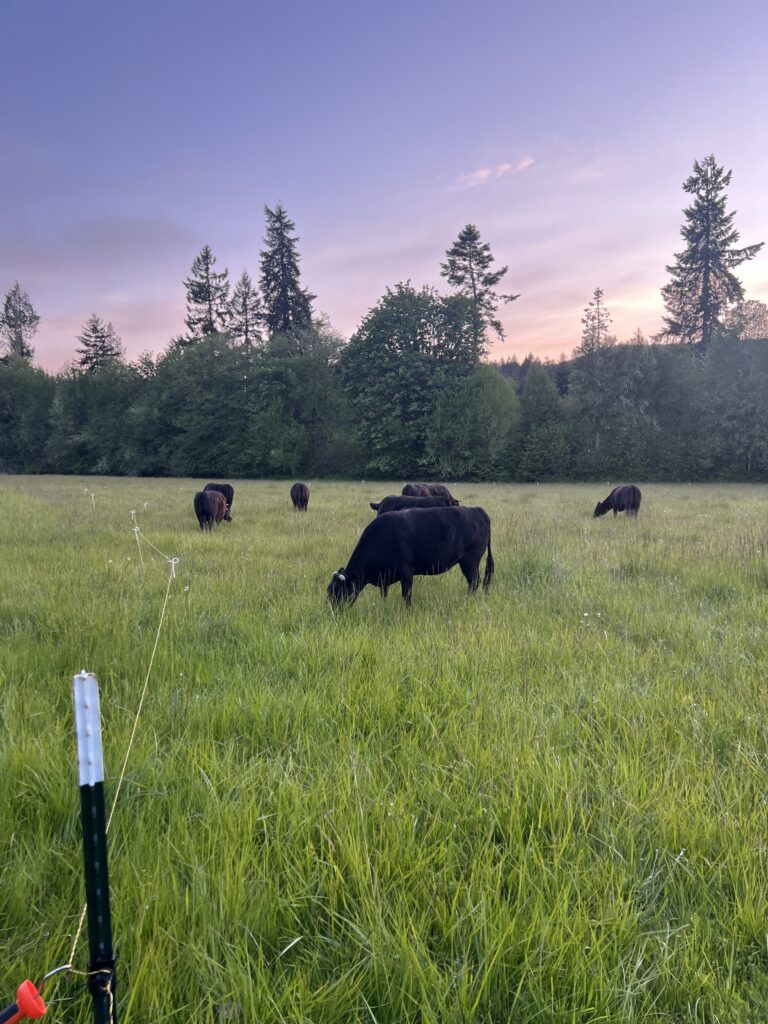
Grass-fed Wagyu is one of the clearest examples of terroir you’ll ever taste because the cattle are directly expressing the plants, minerals, and seasons of where they live. Different soils mean different mineral profiles. Different grasses mean different flavor compounds. Different climates mean different growth cycles. It all adds up.
So when someone says, “I hate grass-fed,” it’s kind of like saying, “I hate wine.” Which one? From where? Made how? Grass-fed in Florida won’t taste like grass-fed in Washington. Even grass-fed in one county can feel different from another if the forage and management are different.
The biggest problem isn’t price. It’s cooking.
Here’s what we see again and again: people buy premium beef and cook it like bargain beef. They overcook it, dry it out, and then blame the ranch, the breed, or the label.
If you want to win with grass-fed Wagyu, you don’t need a culinary degree. You need a few simple rules.
How to cook grass-fed Wagyu without blowing it
- Use a thermometer
Pull steaks earlier than you think. A lot of disappointment comes from chasing “one more minute.” For most steaks, pull around 125–130°F for medium-rare, then rest. - Don’t cook it ice-cold, but don’t leave it out forever
Let it sit 15–25 minutes on the counter so the surface isn’t refrigerator-cold, then cook. You want better heat penetration without letting fat get too warm and messy. - Sear first, then manage heat
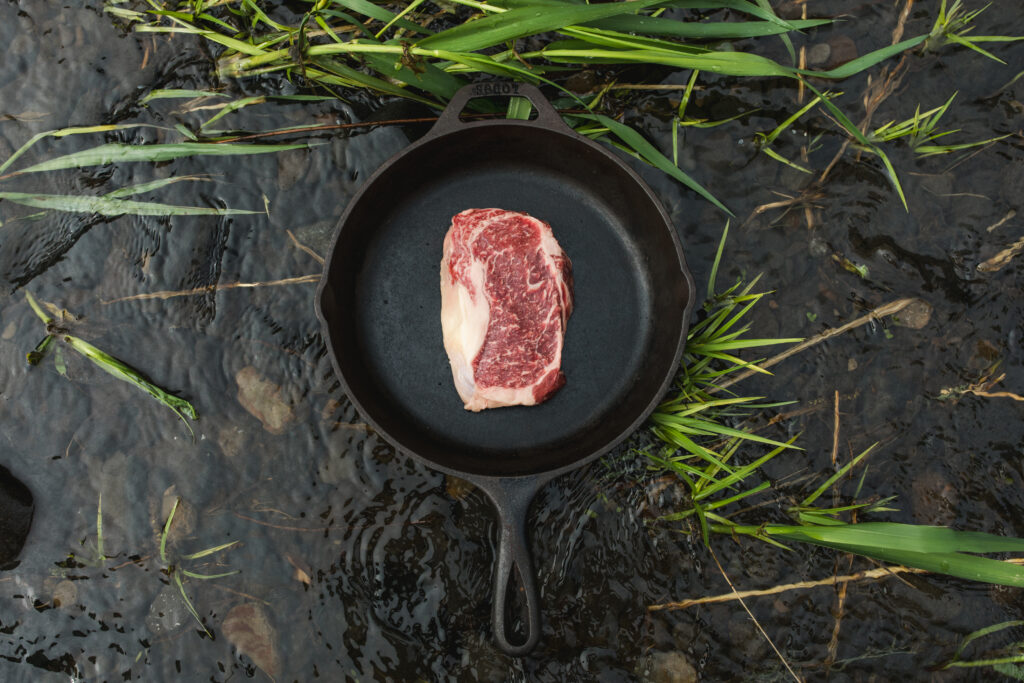
Cast iron or a hot grill is great, but you’re cooking a nicer product—don’t treat it like a punishment. Get your sear, then finish with controlled heat. - Rest like you mean it
Resting isn’t optional. It’s the difference between juicy and “why is my cutting board a crime scene?” - Choose the right cut for your vibe
Ribeye is rich. New York is cleaner. Denver (zabuton) is a cheat code. Flat iron can be a sleeper hit. If you want something more weeknight-friendly, don’t force the fanciest cut every time.
What to look for when buying grass-fed Wagyu
Don’t rely on one visual cue like fat color. Look for:
- a ranch that can tell you their “never grain” policy clearly
- transparent raising practices (rotational grazing, forage types, seasonal feeding approach)
- genetics you can trust (registered programs matter)
- a product that looks consistent cut-to-cut and batch-to-batch
Grass-fed Wagyu should feel like a confident, intentional product—not a mystery box
Final takeaway
Grass-fed Wagyu isn’t a gimmick and it isn’t one single flavor profile. It’s a spectrum shaped by genetics, forage, and region—and if you cook it right, it delivers a premium eating experience that still tastes like where it came from.
And if you’ve been burned by grass-fed beef before, don’t write off the whole category. You might not hate grass-fed. You might’ve just had the wrong ranch, the wrong region, or the wrong cook.
Want more conversations like this? This is exactly why we do The Meat Dudes—so you can buy better beef, cook it right, and actually enjoy what you paid for.