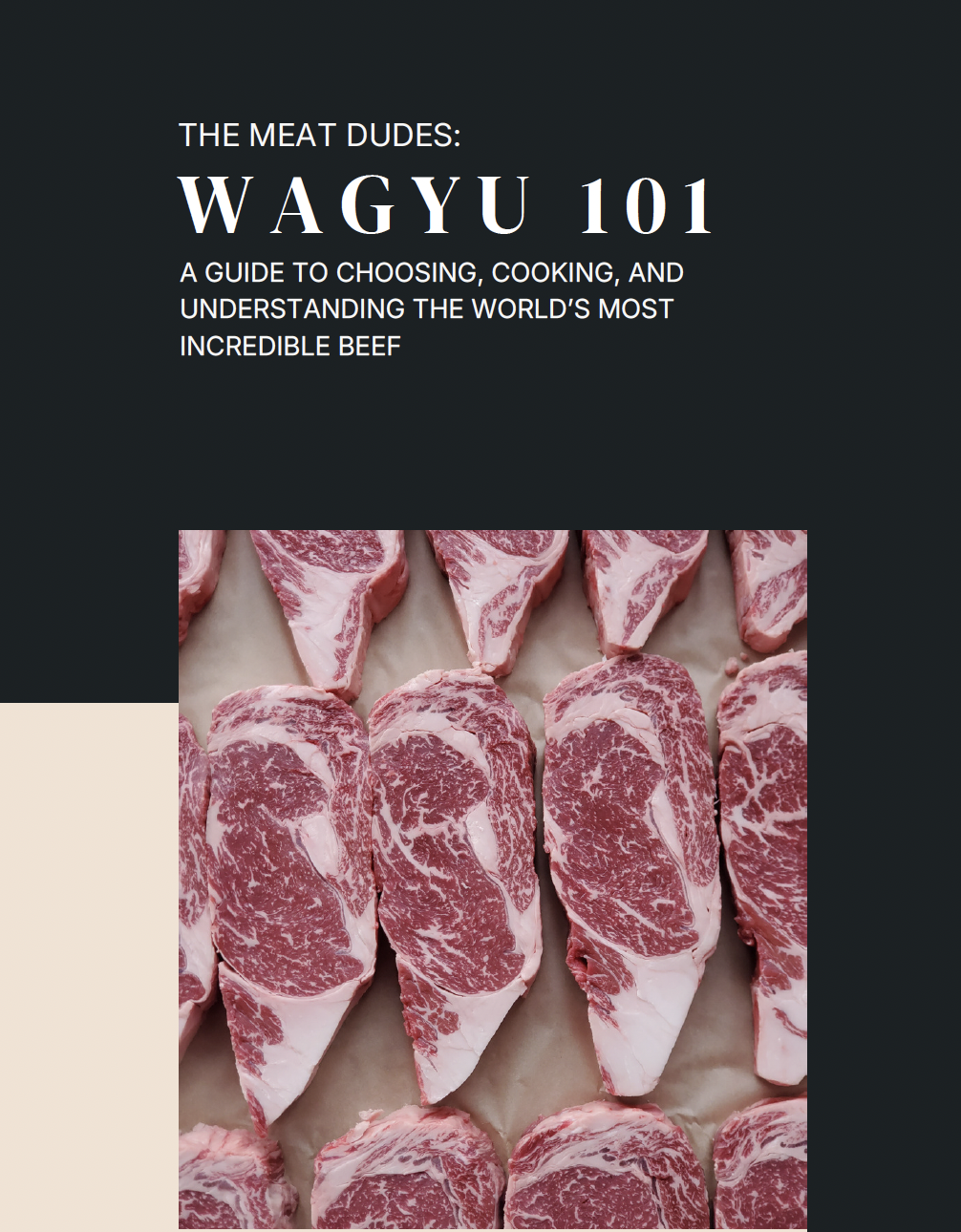

Wagyu gets talked about like it’s one thing. One look. One taste. One country. One method. But that’s not real life—and it definitely isn’t real ranching. On this episode of The Meat Dudes, we sat down with Rollins and Alex Brown of Everglades Ranch (Fort Pierce, Florida) to unpack what it actually looks like to raise Wagyu in a hot, humid, subtropical climate, why their program is built for Florida realities, and how they’re thinking about flavor, nutrition, and economics in the same sentence. And yes… we’re talking about American Wagyu in the Everglades—because the Everglades is not where most people picture a Wagyu operation thriving.
A Florida ranching legacy (and why it matters)
Rollins and Alex come from a deep Florida ranching history—generations in the region, with roots that go back to the days of “cow hunters” and wild-ranging cattle. That context matters because it explains the big theme of this conversation: they’re not chasing internet hype. They’re building a program that can actually work on the ground where they live.
Florida isn’t just “hot.” It’s heat, humidity, pests, and long seasons that punish cattle that aren’t adapted. That’s why their foundation herd and crossbreeding decisions aren’t trendy—they’re strategic.
Why Brangus + Wagyu (and not Angus)
Everglades Ranch’s primary product is an F1 Wagyu cross on Brangus. In their world, that’s the practical answer to Florida conditions.
Brangus brings a level of heat tolerance and resilience that matters in the Southeast, and they referenced a common rule of thumb in their region: roughly 3/8 Brahman influence helps cattle thrive year-round in the toughest climates. Their point wasn’t “Brahman is better.” It was: in Florida, the environment is the boss.
And for anyone wondering: no, their F1s aren’t walking around with cartoon humps. But the adaptation is doing its job.

What is Wagyu, really?
Rollins said it simply: Wagyu is Japanese genetics. That’s the starting point. How it’s raised—where it’s raised—what it’s crossed with—those decisions create a spectrum of outcomes.
That’s a recurring Meat Dudes theme, and it’s the core reason American Wagyu in the Everglades is worth paying attention to. The genetics can thrive in surprising places when the program is built correctly.
They also dropped a detail people forget: many of the famous Wagyu regions in Japan are subtropical. That doesn’t mean Florida is Japan—but it does challenge the assumption that Wagyu “can’t” do well in heat.
The goal isn’t maximum marbling. It’s “prime with flavor.”
One of the most useful takeaways: they’re intentionally targeting prime-level eating quality for the American consumer.
They talked about how most people’s mental image of Wagyu is Japanese A5—so marbled it looks like “more fat than meat.” That’s an experience, but it isn’t what most steak lovers want as their go-to.
Their idea is to deliver:
- the marbling people recognize as “wow”
- the flavor that makes you come back
- a product that’s economically sustainable to produce and buy
They’re not chasing the highest possible BMS number. They’re chasing repeat customers.
“Pasture raised” and their hybrid finishing approach
This is where the episode gets nerdy in the best way.
They described their program as predominantly pasture-based, with a finishing period that includes free-choice supplemental feed while the cattle still graze. Not confined, not locked into a feedlot routine—more like a controlled “nudge” at the end.
Their goal with that hybrid approach:
- keep the beefy, rich flavor they associate with high-quality forage
- reduce the risk of the “mineraly” or “off” flavors some consumers experience with certain grass-finished beef
- still hit prime consistently
They also explained the finishing feed itself as a “clean grain” style ration—stripped down, nothing flashy—designed to support finishing without turning it into a “push fat as fast as possible” program.
Regenerative pastures and the role of soil
A big part of their flavor argument comes back to soil and micronutrients.
They told a wild story about how they ended up with an unusually nutrient-rich pasture system—one that they say tests off the charts for minerals and hasn’t needed fertilizing in years. The broader point wasn’t “we’re perfect.” It was: forage quality isn’t a buzzword when you’re trying to breed for flavor and finish cattle responsibly.
They also referenced their connection to the Bionutrient Food Association and the idea that farming practices can show up in flavor and nutrition—not just in marketing copy.
Omega 101: helpful, honest, and not hype-y
We asked for an Omega breakdown and got a refreshingly grounded answer.
They explained fats in three buckets:
- saturated
- monounsaturated
- polyunsaturated (where omega-3, omega-6 and omega-9 live)
Then the key idea: it’s not just “omega-6 bad.” It’s balance, stability, and context.
They shared their lab results showing a lower omega-6 to omega-3 ratio than typical grain-finished beef, and emphasized an important nuance a lot of people skip: ratios matter, but absolute amounts matter too. Beef can improve ratios, but it won’t magically become salmon.
That kind of honesty builds trust.
The direct-to-consumer reality: people want steaks
Everglades Ranch has a big advantage: they already have deep shipping and direct marketing experience from other parts of their business. That gave them a runway to go direct-to-consumer faster than most ranches can.
But even with great logistics, they said the same thing every ranch learns:
people want steaks.
That means the hard work isn’t only raising cattle. It’s moving the whole animal—educating customers, developing cooking guidance, and finding “steak-like” solutions in cuts people don’t immediately understand.
And that’s where Meat Dudes energy comes in: teach people how to win with the whole animal, not just ribeyes and tenderloins.
The “Made in USA” label problem
The conversation took a turn into consumer confusion and labeling—especially the frustration around “Made in USA” on beef and what that can actually mean.
Their point was simple: consumers deserve clarity, and ranchers deserve a fair shot. If people want to support American ranching, they need labels that tell the truth—or better yet, a relationship with the ranch.
Which leads to the biggest “Meat Dudes Approved” philosophy in the episode:
know where your meat comes from.
Final takeaway: this is what modern Wagyu looks like
This episode wasn’t “Florida tries Wagyu.” It was a case study in how modern American Wagyu can adapt, evolve, and serve real consumers without turning into pure luxury theater.
It’s genetics, yes—but it’s also:
- climate adaptation
- thoughtful finishing
- flavor-first decision making
- transparent education
- and a direct-to-consumer model built to keep ranching alive
And if you’re still surprised this works in the swamp, well… that’s exactly why we’re calling it American Wagyu in the Everglades.
If you want to check out Everglades Ranch and see what they’re building, they’re online at Everglades Ranch (and yes, we’re cooking their beef soon—stay meat curious).