Listen to
Podcast Here

Listen on spotify

Wagyu 101: A No-Nonsense Dictionary to All Things Wagyu Beef

Everyone claims they “know wagyu.” They don’t. We do.

This library exists to help you learn all things Wagyu beef terminology.

A5 Wagyu

A5 is the highest possible grade in the Japanese system. It combines the top yield grade (A) with the highest quality score (5). A5 Wagyu is defined by extreme marbling, fine fat distribution, and exceptional texture. It’s rich, delicate, and meant to be eaten in small portions.


Akaushi (Red Wagyu)

Akaushi is a red-coated Wagyu breed originally from Kumamoto. It produces beef with lower fat content but strong umami flavor. Akaushi is common in American Wagyu programs. It’s Wagyu with restraint.

American Wagyu

American Wagyu comes from Wagyu cattle raised in the United States, often crossbred with Angus. The result is beef that retains Wagyu’s marbling while delivering a firmer texture and bolder beef flavor. It’s not Japanese Wagyu—and it’s not trying to be. It’s its own category, and when done right, it’s exceptional.

Australian Wagyu

Australian Wagyu is produced from Wagyu genetics raised in Australia, often fullblood or high-percentage crossbred. It typically features high marbling with a cleaner, beef-forward flavor compared to Japanese Wagyu. Australia has some of the most established Wagyu programs outside Japan. Quality varies by producer, genetics, and feeding program.

Beef Marbling Score (BMS)

BMS measures the amount and quality of intramuscular fat in beef. In Japan, the scale runs from 1 to 12, with higher numbers indicating more marbling. High BMS is a core driver of Wagyu’s tenderness and flavor. Marbling quality matters as much as quantity.

Brisket Wagyu

Wagyu brisket has significantly more intramuscular fat than conventional brisket. That fat helps retain moisture during long cooks. The result is a richer, more forgiving brisket. It’s a favorite for competition barbecue.

Choice vs Wagyu

USDA Choice has moderate marbling and broad variability. Wagyu—especially well-bred American or Japanese Wagyu—operates on a completely different level of fat content and texture. Choice is everyday beef. Wagyu is specialty beef.

Chuck Wagyu

Wagyu chuck benefits massively from Wagyu’s fat distribution. Traditionally tough muscles become rich and juicy when slow-cooked. It’s ideal for braising, smoking, or grinding. This is where Wagyu elevates humble cuts.

Crossbred Wagyu

Crossbred Wagyu comes from Wagyu crossed with other breeds, most commonly Angus. Marbling levels depend on genetics, feeding, and management. This category includes a wide range of quality, from lightly marbled beef to near-fullblood results. Crossbred doesn’t mean bad—it just means variable.

Flank Wagyu

Wagyu flank steak has more marbling than standard flank but remains lean relative to other Wagyu cuts. It delivers strong beef flavor with improved tenderness. Proper slicing against the grain is critical. This cut rewards good technique.

Fullblood Wagyu

Fullblood Wagyu cattle are 100% genetically Wagyu, with lineage traceable back to Japan. There is no crossbreeding anywhere in the bloodline. This is as close as you get to Japanese genetics outside Japan. Fullblood does not automatically mean top quality, but it provides the genetic potential for extreme marbling.

Hirami

Hirami refers to the flank steak in Japanese butchery. It’s leaner than many Wagyu cuts but still benefits from fine marbling. Strong beef flavor defines this cut. It’s best cooked hot and sliced thin.

Ichibo

Ichibo comes from the rump cap area near the sirloin. It balances tenderness, marbling, and beef flavor. This cut is versatile and highly valued in Japan. It’s refined without being excessive.

Japanese Meat Grading Association (JMGA)

The JMGA is the authority responsible for grading Japanese beef. It evaluates yield, marbling, color, texture, and fat quality. Every officially graded Japanese Wagyu carcass passes through this system. This is why Japanese Wagyu grading is globally trusted and consistent.

Japanese Wagyu

Japanese Wagyu is raised in Japan under strict breeding, feeding, and grading standards. It’s known for extreme marbling, ultra-soft texture, and a rich, buttery finish. Authentic Japanese Wagyu is tightly controlled and graded by the Japanese Meat Grading Association.

Kagoshima Wagyu

Kagoshima is one of Japan’s largest Wagyu-producing regions. It’s known for balanced marbling and excellent fat texture. Kagoshima wagyu often delivers richness without overwhelming heaviness. It’s widely respected for consistency.

Kobe Beef

Kobe Beef comes from Tajima-strain Wagyu raised in Hyogo Prefecture, Japan. It must meet strict criteria for marbling, weight, and quality. True Kobe is rare and tightly controlled; anything else is just branding.

Miyazaki Wagyu

Miyazaki Wagyu comes from Miyazaki Prefecture and is known for consistent high marbling and clean fat quality. It frequently wins top awards in Japan. This region is a benchmark for elite Wagyu production. Precision and genetics define it.

Prime vs Wagyu

USDA Prime is the highest grade in the American beef system, but it is not Wagyu. Prime beef can be excellent, but it comes from different genetics and marbling patterns. Wagyu typically exceeds Prime in marbling and fat quality. The two are graded and defined under entirely different systems.

Purebred Wagyu

Purebred Wagyu cattle are at least 93.75% Wagyu genetics. They are typically the result of breeding fullblood Wagyu over multiple generations. Purebred Wagyu delivers consistent marbling and performance while being more widely available than fullblood. This is a common standard in premium American Wagyu programs.

Quality Grade (1–5)

Quality grade evaluates marbling, meat color, firmness, texture, and fat quality. Grade 5 is the highest possible score. This is where eating experience is determined. High-quality Wagyu lives in the upper end of this scale.

Ribeye Wagyu

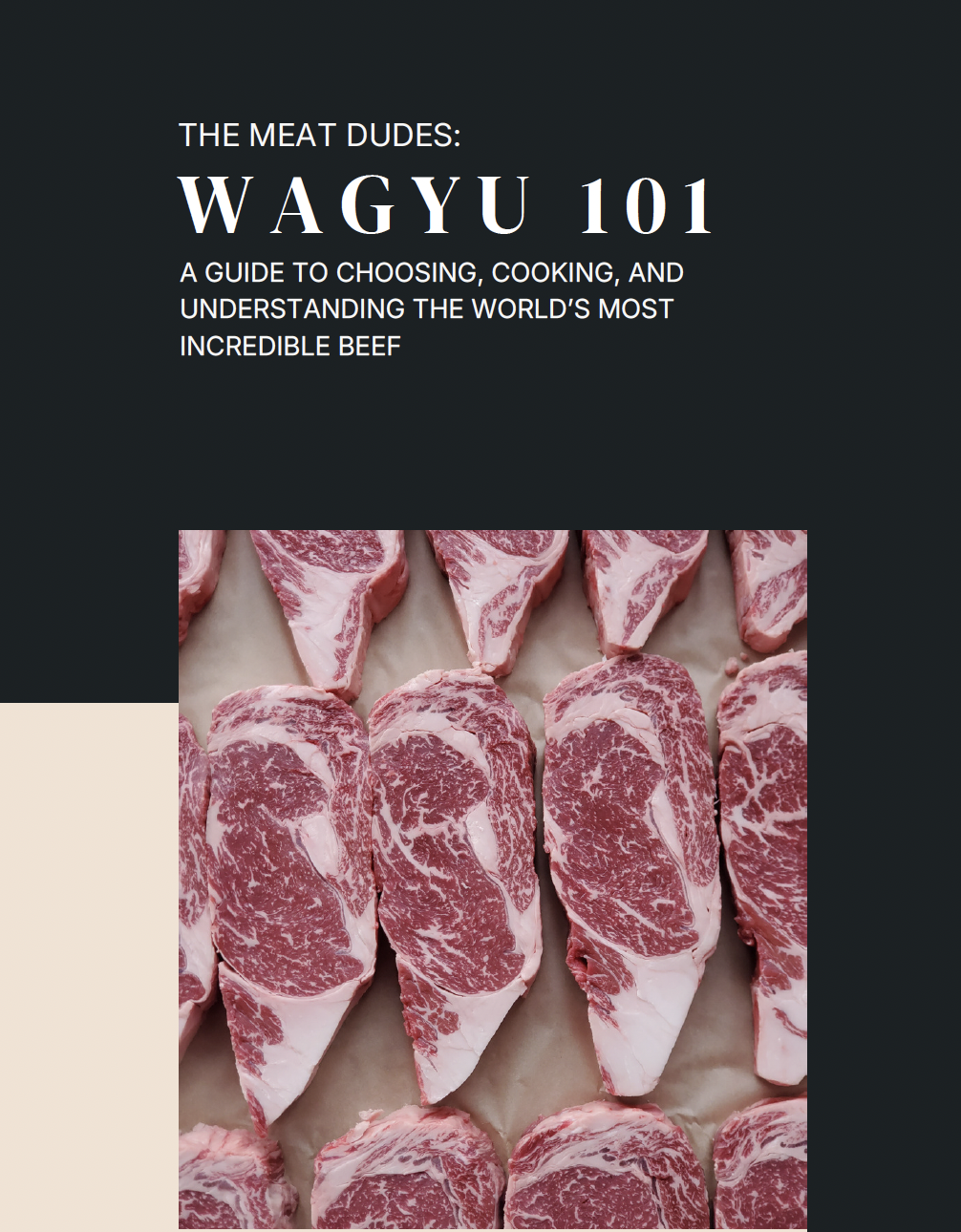
Wagyu ribeye is heavily marbled and exceptionally rich. The fat melts quickly, delivering a soft, buttery bite. This cut showcases Wagyu genetics better than almost any other. High marbling means careful cooking is essential.

Sankaku Bara

Sankaku Bara is the triangular cut from the short plate near the rib. It’s heavily marbled and incredibly rich. This cut is prized for grilling and yakiniku. Small portions go a long way.

Short Ribs Wagyu

Wagyu short ribs are intensely marbled and deeply flavorful. The fat renders during cooking, creating a luxurious texture. These are ideal for braising or grilling over high heat. Expect richness and depth.

Skirt Steak Wagyu

Wagyu skirt steak is bold, juicy, and intensely beefy. The added marbling improves tenderness while keeping the cut’s signature chew. It performs best with high heat and quick cooking. This is not a subtle cut.

Striploin Wagyu

Striploin Wagyu balances marbling with a firmer structure than ribeye. It delivers clean beef flavor with rich fat integration. This cut is popular in both Japanese and Western preparations. It’s indulgent without being overwhelming.

Tenderloin Wagyu

Wagyu tenderloin is extremely tender with a more subtle fat presence. It’s softer and richer than conventional filet but less marbled than other Wagyu cuts. The appeal is texture, not fat overload. Precision cooking matters here.

Wagyu Beef

Wagyu simply means “Japanese cow,” but in practice it refers to cattle genetically predisposed to intense intramuscular fat, or marbling. This marbling creates Wagyu’s signature tenderness, richness, and mouthfeel. True Wagyu is about genetics first, not just fat content or price tags. Not all Wagyu is created equal, and origin matters.

Wagyu Ground Beef

Wagyu ground beef contains a higher fat percentage and richer fat quality than standard ground beef. It produces juicier burgers with a softer texture. The flavor comes from fat, not seasoning tricks. Simplicity works best here.

Yield Grade (A, B, C)

Yield grade measures how much usable meat comes from the carcass. A is the highest yield, followed by B and C. It has nothing to do with tenderness or flavor on its own. Yield is about efficiency, not eating quality.

Zabuton

Zabuton comes from the chuck and is known as the “second tenderloin.” It’s highly marbled and extremely tender. This cut delivers big flavor with a soft bite. It’s a favorite in Japanese steakhouses.

Most of what you think you know about Wagyu is wrong!

Download our definitive field guide to the world’s most misunderstood beef.

We break down:

unlock your guide!

Sign Up For Our Newsletter!