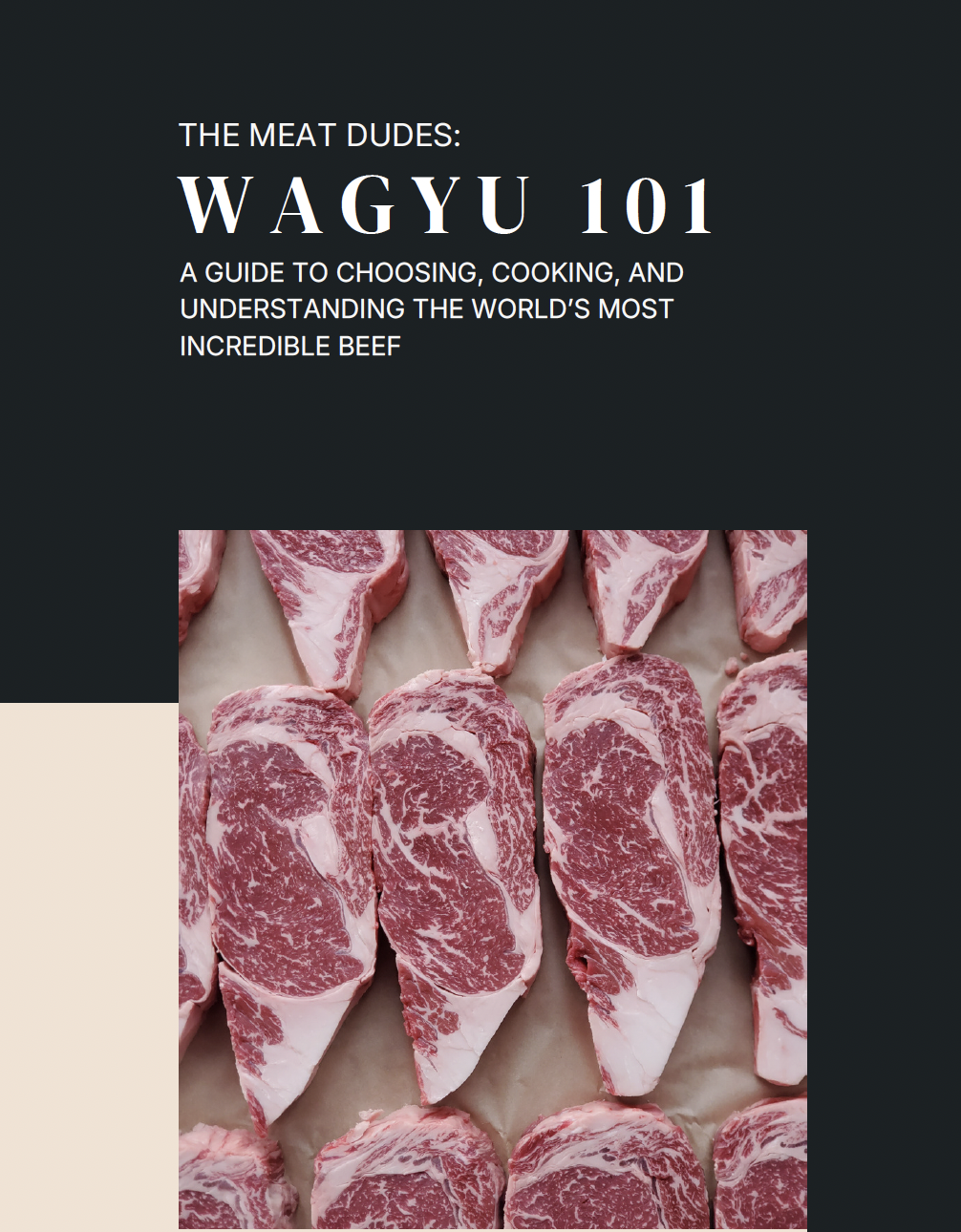


If you’ve ever wondered what butchers look for in a carcass, this conversation will completely change how you think about beef. We sat down with Travis Stockstill, a career butcher who has processed over 75,000 animals, and got a real behind-the-scenes look at what actually happens when a whole animal comes into the shop.
Most people—including a lot of ranchers—don’t fully understand how much decision-making happens after harvest. And that’s where a ton of value is either created… or lost.
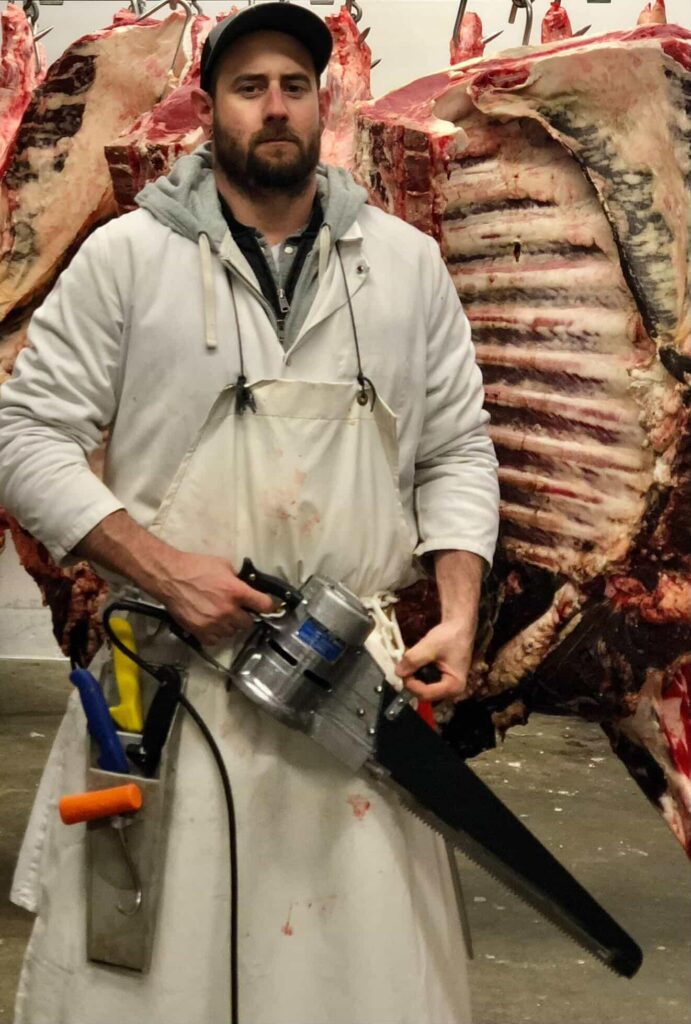
Why So Much Beef Ends Up as Ground
One of the biggest takeaways from this episode is how much beef naturally becomes grind. It’s not a mistake—it’s part of the process.
When you understand what butchers look for in a carcass, you realize not every muscle is meant to be a steak. Structure, fat distribution, and overall yield all play a role in determining what cuts make sense and what ends up as ground beef.
A great butcher isn’t forcing steaks—they’re making the right call for the animal.
How to Maximize Value from a Whole Animal
Maximizing value isn’t about getting the most ribeyes—it’s about using the entire animal correctly.
That means:
- Identifying which muscles can become premium cuts
- Knowing when to create alternative steaks like Denver or bavette
- Understanding how fat and genetics impact the final product
This is where butchery becomes more than just cutting—it becomes strategy.
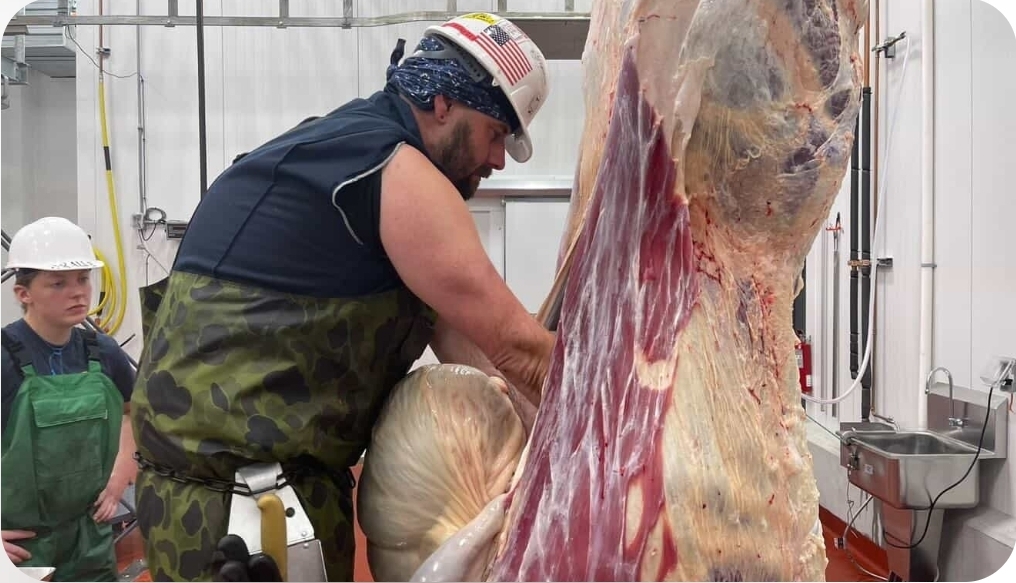
The Hidden Cuts Most People Never Ask For
Some of the best cuts on the animal never make it to the case unless you know to ask.
Cuts like:
- Denver steak
- Teres major
- Bavette
- Merlot
These are where butchers can create serious value, but most consumers overlook them because they don’t know they exist.
When you really understand what butchers look for in a carcass, you start to see the animal differently—and you start buying smarter.
Why Your Cut Sheet Might Be Costing You Money
If you’re buying a whole or half cow, your cut sheet matters more than you think.
A basic cut sheet often defaults to convenience:
- More grind
- Fewer specialty cuts
- Missed opportunities for value
The better move is to actually talk to your butcher. Ask what the animal looks like and what it’s best suited for. Flexibility is where the value is.
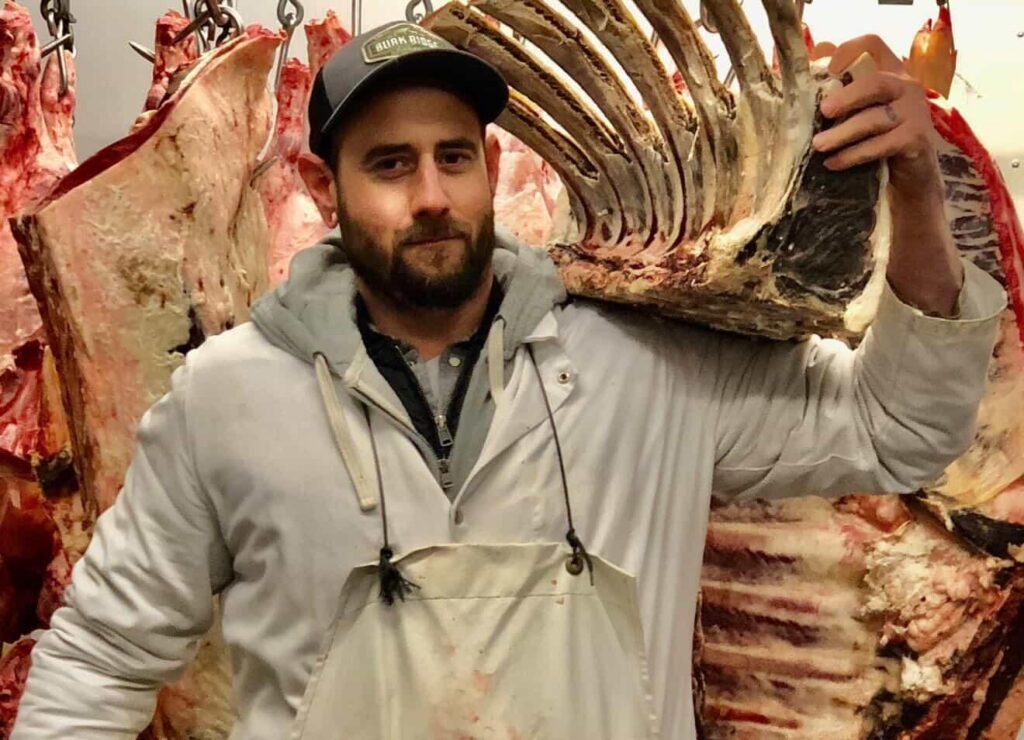
How to Use the Whole Animal in Your Kitchen
Understanding what butchers look for in a carcass is only half the equation—you also need to know how to use those cuts once you have them.
If you’re buying in bulk, think in terms of cooking methods:
- Grill cuts: ribeye, strip, Denver/Zabuton, bavette
- Sear cuts: flat iron, chuck eye, hanger
- Slow cook: short ribs, chuck roast, shank
- Everyday use: ground beef, trim, stew meat
When you start cooking this way, you’re no longer chasing specific cuts—you’re cooking the animal as a whole system.
Matching Cuts to Cooking Methods (Where Most People Mess Up)
One of the biggest mistakes people make is cooking every cut the same way.
Butchers think in terms of muscle function:
- Hard-working muscles = low and slow cooking
- Tender muscles = hot and fast
If you ignore that, you lose quality fast.
If you respect it, even the “cheaper” cuts become some of the best meals you’ll make.
This is where understanding what butchers look for in a carcass really pays off—because now you’re cooking with intention, not guesswork.
Final Thoughts
This episode is one of the clearest looks we’ve had at how beef actually works—from the carcass all the way to your plate.
If you care about meat, sourcing, or just want to understand what you’re buying, this is a conversation worth paying attention to.
Real butchery. Real insight. No fluff.