
Walking up to the meat counter shouldn’t feel confusing—but for a lot of people, it does. Grass-fed. Prime. Wagyu. F1. Full-blood.
The labels sound important, but no one really explains what they mean or what you should actually be looking for. That’s exactly why we recorded this episode of The Meat Dudes Podcast with Desi Cicale of the Triple Crown Steak Challenge—to create a real-world Beef Buying Blueprint that helps consumers understand what’s behind the labels and how to make better buying decisions with confidence.
Why the Beef Buying Blueprint Matters
The beef industry has changed fast. Genetics are better. Feeding programs are better. Transparency is improving—but the education hasn’t always kept up.
The Beef Buying Blueprint isn’t about telling you what’s “best.”
It’s about helping you understand:
- What different beef labels actually mean
- Why two steaks that look similar can eat completely differently
- How to visually assess beef without relying only on marketing
Desi has spent the last seven years testing beef carcasses, marbling, tenderness, and fat composition through the Triple Crown Steak Challenge—and what she’s learned changes how you look at the meat case forever.
Grass-Fed Beef: What to Look For
True grass-fed beef means cattle that have never consumed grain at any point in their life.
One of the biggest takeaways from the episode is this simple visual cue:
- Grass-fed beef has yellow fat
- Grain-fed beef has white, marshmallow-colored fat
That yellow tint comes from beta carotene found in forage. If the fat is bright white, it’s not grass-fed—no matter what the sign says. This is a key pillar of the Beef Buying Blueprint because it puts the power back in the consumer’s hands.
Grass-fed beef tends to be leaner, earthier, and very different in flavor from grain-fed beef. Neither is “right” or “wrong”—they’re just different eating experiences.

USDA Prime: More Than Just a Label
USDA Prime is often treated as the gold standard, but Desi explains that Prime is a starting point—not the ceiling.
What really matters inside Prime beef:
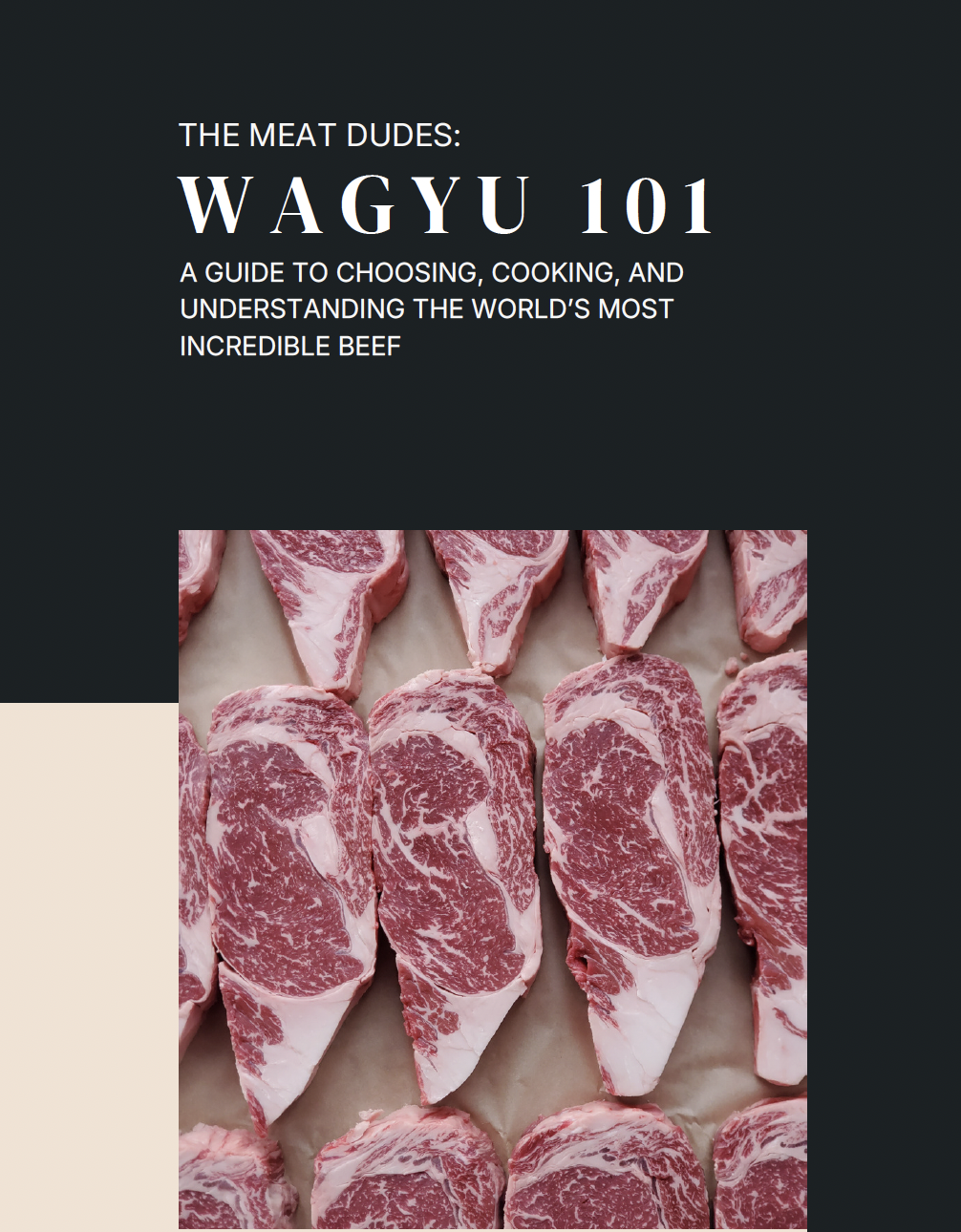
- Fine, evenly distributed marbling (not large chunks of fat)
- Fat color that indicates feeding program
- Small flecks of fat that melt into the meat during cooking
Steaks with fine marbling will generally be more tender than steaks with coarse, lightning-bolt-shaped fat patterns. This is another core concept in the Beef Buying Blueprint—learning to read the meat itself, not just the grade stamp.
Wagyu, F1 Crosses, and Full-Blood Explained
This is where a lot of confusion lives, and where the Beef Buying Blueprint really shines.
- F1 Wagyu = 50% Wagyu genetics
- Full-blood Wagyu = 100% Wagyu genetics
- Both can exist well above USDA Prime in marbling, tenderness, and fat quality
Desi’s testing shows that many Wagyu and Wagyu-influenced steaks don’t even start at Prime—they pass it completely. Tenderness scores, fat composition, and eating quality consistently rank higher, especially in well-managed programs.
Importantly, this doesn’t mean Wagyu is “better” in every situation—it means it offers a wider spectrum of eating experiences, depending on cut, genetics, and feeding.
Transparency at the Meat Counter
One of the most practical takeaways from the episode is this:
If a butcher or restaurant can’t tell you:
- Where the beef came from
- Whether it’s F1 or full-blood
- How it was raised
…that’s a problem.
The Beef Buying Blueprint encourages consumers to ask questions—not to be difficult, but to create accountability and reward producers who do things the right way.
Final Thoughts
This conversation isn’t about choosing sides between grass-fed, Prime, or Wagyu.
It’s about understanding the differences so you can buy what you actually enjoy.
Great beef exists at every level—but only if you know how to find it.