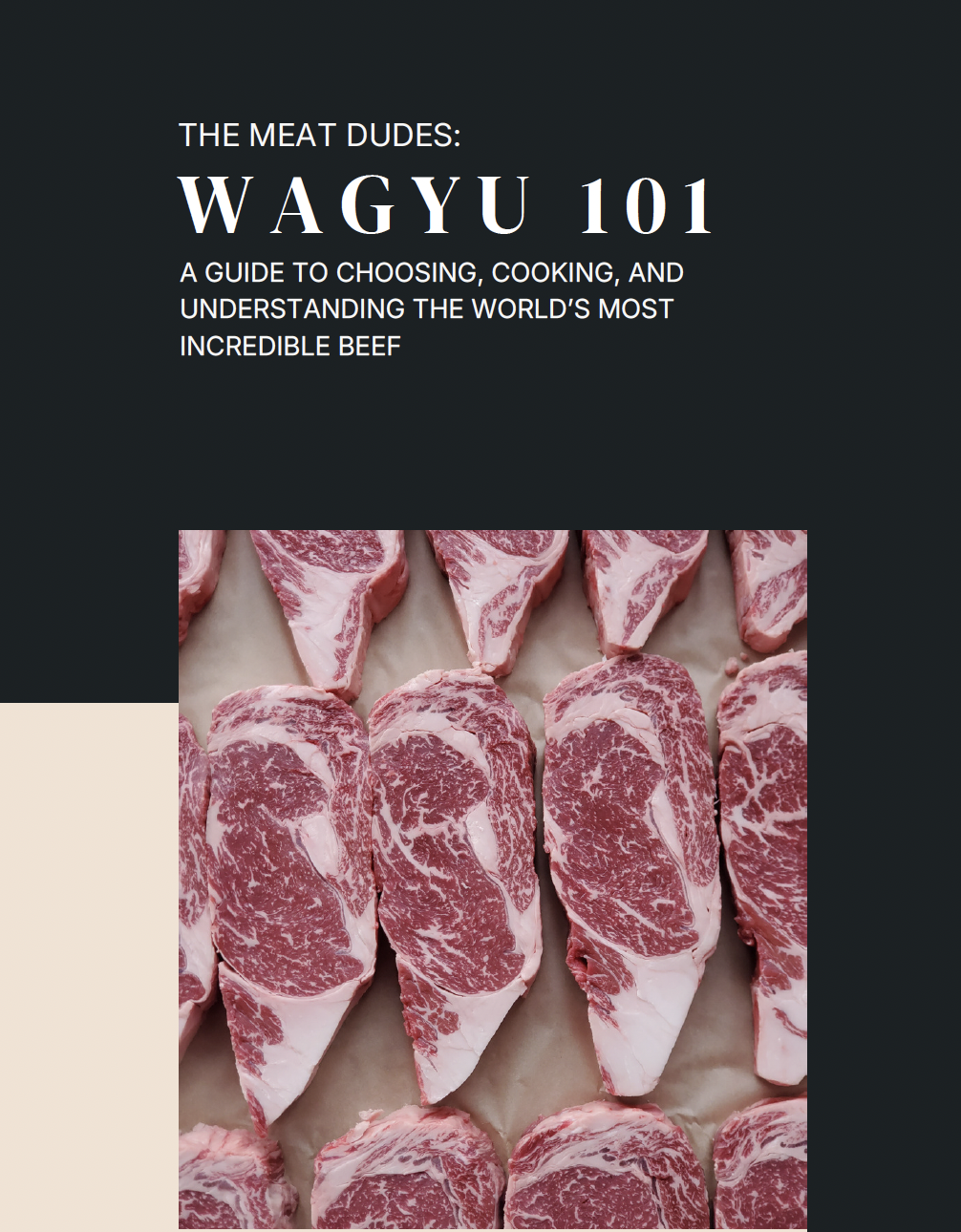

When people hear “Kobe beef,” they usually picture the highest level of luxury meat on the planet. But most folks don’t realize that Kobe is not the same thing as Wagyu—and that confusion is exactly why so many restaurants accidentally (or intentionally) mislabel their beef. So, do restaurants need a license to serve Kobe beef? Let’s break down the truth in a way real people, real chefs, and real meat nerds can understand.
Kobe vs. Wagyu: What’s the Difference?
Wagyu
“Wagyu” simply translates to “Japanese cattle.”
It refers to four specific Japanese breeds known for:
- Insane marbling
- Extremely high oleic acid
- A lower melting point
- Butter-like texture
American Wagyu is usually a crossbreed—often 50% Wagyu genetics and 50% Angus—producing a rich, beefy flavor with that Wagyu softness.
Kobe
Kobe is one specific type of Wagyu, similar to how Champagne is a specific type of sparkling wine.
To legally be called “Kobe beef,” it must check all of these boxes:
- Come from Tajima-gyu cattle
- Raised in Hyogo Prefecture, Japan
- Meet strict feeding, age, carcass-quality, and marbling standards
- Certified by the Kobe Beef Marketing & Distribution Promotion Association
It’s incredibly rare—Japan exports only a tiny amount each year.

So… Do Restaurants Need a Special License to Serve Kobe Beef?
Short answer:
Yes—restaurants must be certified if they want to serve authentic Kobe beef.
But no, they don’t need a generic “license” like a liquor license.
To serve real Kobe:
- The distributor/importer must be approved by Japanese authorities.
- The restaurant must be on the official Kobe Beef Association certified list.
- The beef must come with traceable documentation, including a unique 10-digit ID number.
Without that?
They can not legally call it Kobe.
That’s why there are only a small handful of certified restaurants in the U.S.—and why 99% of “Kobe sliders” and “Kobe burgers” out there are completely mislabeled.
Why So Many Menus Lie About “Kobe Beef”
Most restaurants are actually serving:
- American Wagyu
- Wagyu-Angus F1 cross
- “Kobe-style beef” (a totally made-up marketing term)
There’s nothing wrong with those products—many of them are fantastic.
But calling them Kobe is misleading, and sometimes downright deceptive.
How to Tell If a Restaurant’s Kobe Is Real
A legit restaurant should be able to immediately show:
- Certification documents from the Kobe Beef Association
- The animal’s ID number
- The cut, grade, and prefecture of origin
If they can’t produce paperwork, it’s not Kobe.
Period.
The Meat Dudes Take
Whether it’s American Wagyu, Full Blood, Purebred, F1 Cross, or the rare A5 Japanese stuff, we believe in one thing:
? Transparency matters.
? Education matters.
? Real meat deserves real storytelling.
And when it comes to Kobe?
There’s nothing wrong with loving it—just make sure what you’re paying for is the real deal.
Stay meat curious.